How to Choose a Mattress: 2026 Guide
Everything you need to choose the right mattress in 2026 — sleep position, firmness, mattress type, budget, and trial periods explained by sleep experts.
Choosing the wrong mattress is one of the most expensive sleep mistakes you can make. Too soft and your spine misaligns overnight. Too firm and you wake with shoulder and hip pressure. Too hot and you spend the night kicking off blankets. Get it right and you sleep better immediately — and for the next 8–10 years.
This guide covers everything: sleep position, firmness, mattress type, material differences, budget tiers, and what trial periods and warranties actually mean. By the end, you will know exactly which mattress is right for you — and which ones to avoid.
Step 1 — Start With Your Sleep Position
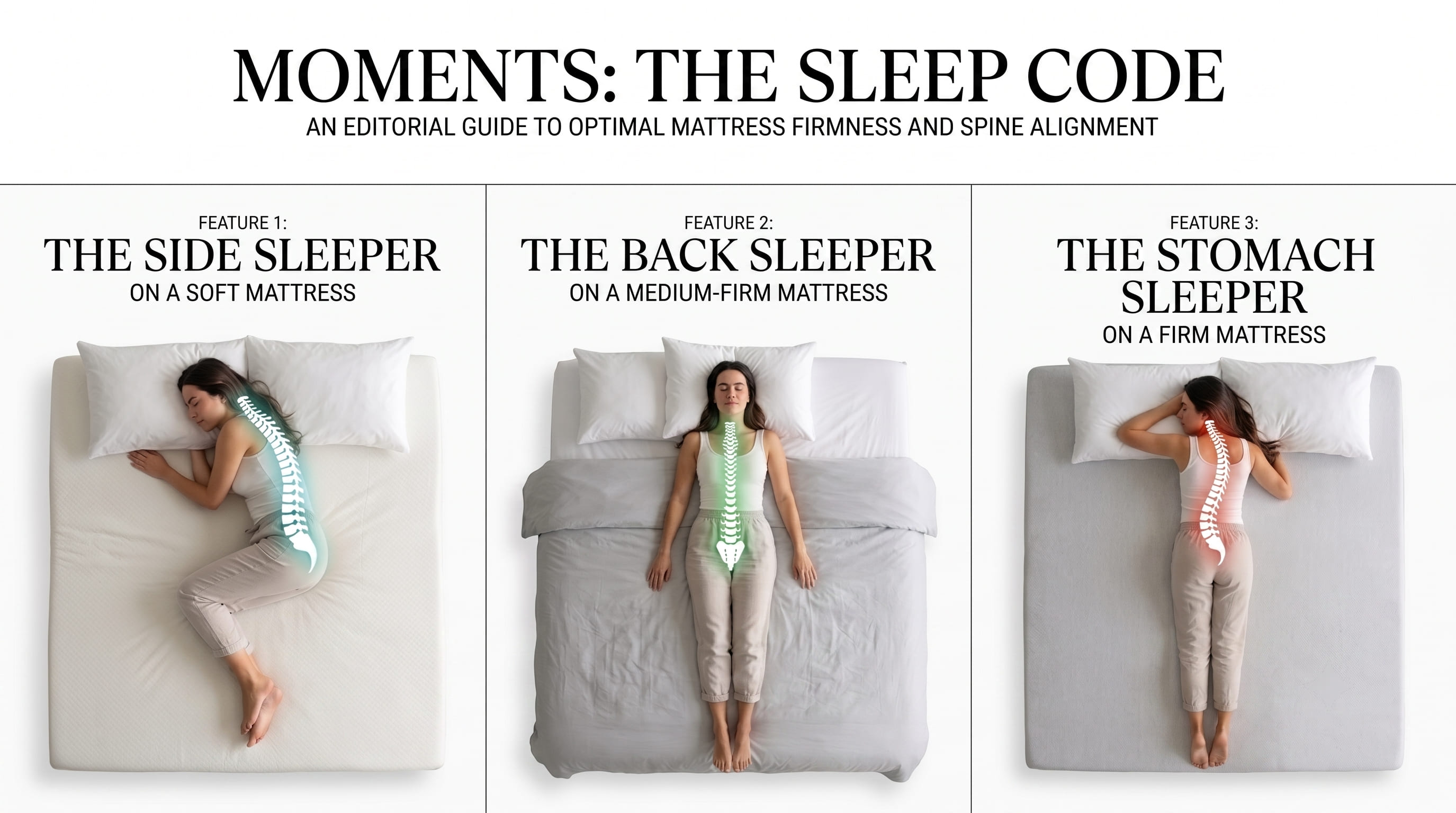
Your sleep position is the single most important factor in choosing mattress firmness. Every other consideration — materials, price, cooling — comes after this one.
Side Sleepers
Side sleeping is the most common position and the most demanding on a mattress. When you lie on your side, your shoulder and hip create two high-pressure contact points that push into the mattress. If the mattress is too firm, those points are not cushioned — you wake with shoulder pain, hip soreness, or numbness in your arm.
Side sleepers need: Soft to medium firmness (3–5 on a 10-point scale). The mattress must allow the shoulder and hip to sink in enough to keep the spine in a straight lateral line.
Best mattress types for side sleepers: Memory foam and hybrid with a soft-to-medium comfort layer.
Our tested picks for side sleepers:
- Nectar Classic Mattress Review — medium feel, excellent shoulder and hip pressure relief at $899 (king)
- Purple Original Mattress Review — GelFlex Grid adapts uniquely to side pressure at $1,449
- DreamCloud Classic Mattress Review — medium-firm hybrid with gel foam, best for side sleepers over 160 lbs at $535
Back Sleepers
Back sleeping is the most spine-friendly position when supported correctly. The mattress must support the natural S-curve of the spine — particularly the lumbar region, which has a natural inward curve. A mattress that is too soft allows the lower back to sink out of neutral alignment. Too firm and the lumbar gap is unsupported.
Back sleepers need: Medium to medium-firm firmness (5–7 on a 10-point scale). The mattress should support the lumbar curve without creating a gap or forcing the spine flat.
Best mattress types for back sleepers: Hybrid and medium-firm memory foam.
Our tested picks for back sleepers:
- Zinus Green Tea Mattress Review — medium-firm memory foam, outstanding lumbar support at $229
- DreamCloud Classic Mattress Review — hybrid coil base maintains lumbar alignment at $535
- Vibe Quilted Hybrid Mattress Review — coil base prevents hammocking under back sleepers at $334
Stomach Sleepers
Stomach sleeping is the hardest position on the spine. When lying face-down, the lower back naturally arches upward. A mattress that is too soft allows the hips to sink deeper than the chest, exaggerating this arch and creating serious lower back stress over time.
Stomach sleepers need: Medium-firm to firm (6–8 on a 10-point scale). The mattress must keep the hips and shoulders in the same horizontal plane.
Best mattress types for stomach sleepers: Firm hybrids or high-density foam. Avoid thick pillow tops and very soft memory foam.
Our tested picks for stomach sleepers:
- Zinus Green Tea Mattress Review — medium-firm feel resists hip sinkage at $229
- Vibe Quilted Hybrid Mattress Review — coil base provides the resistance stomach sleepers need at $334
Combination Sleepers
Combination sleepers change position multiple times per night. The key requirement is response time — how quickly the mattress adapts to a new body position. Slow-response memory foam can feel like fighting quicksand every time you move.
Combination sleepers need: Medium firmness with fast response. Hybrid mattresses (coil + foam) respond faster than all-foam designs.
Best mattress types for combination sleepers: Hybrid. The coil system provides immediate repositioning support that all-foam mattresses cannot replicate.
Step 2 — Understand Mattress Types
Memory Foam
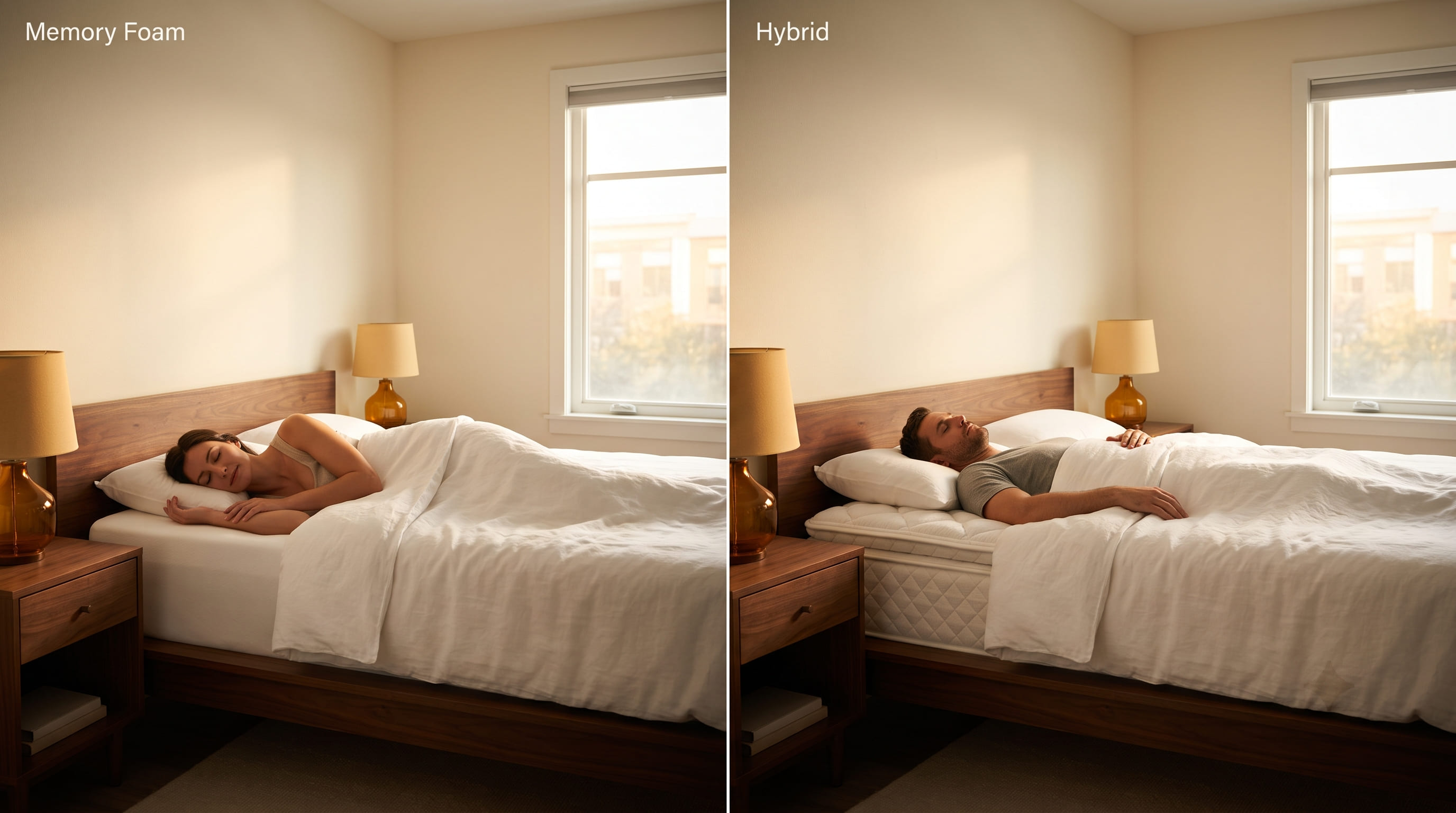
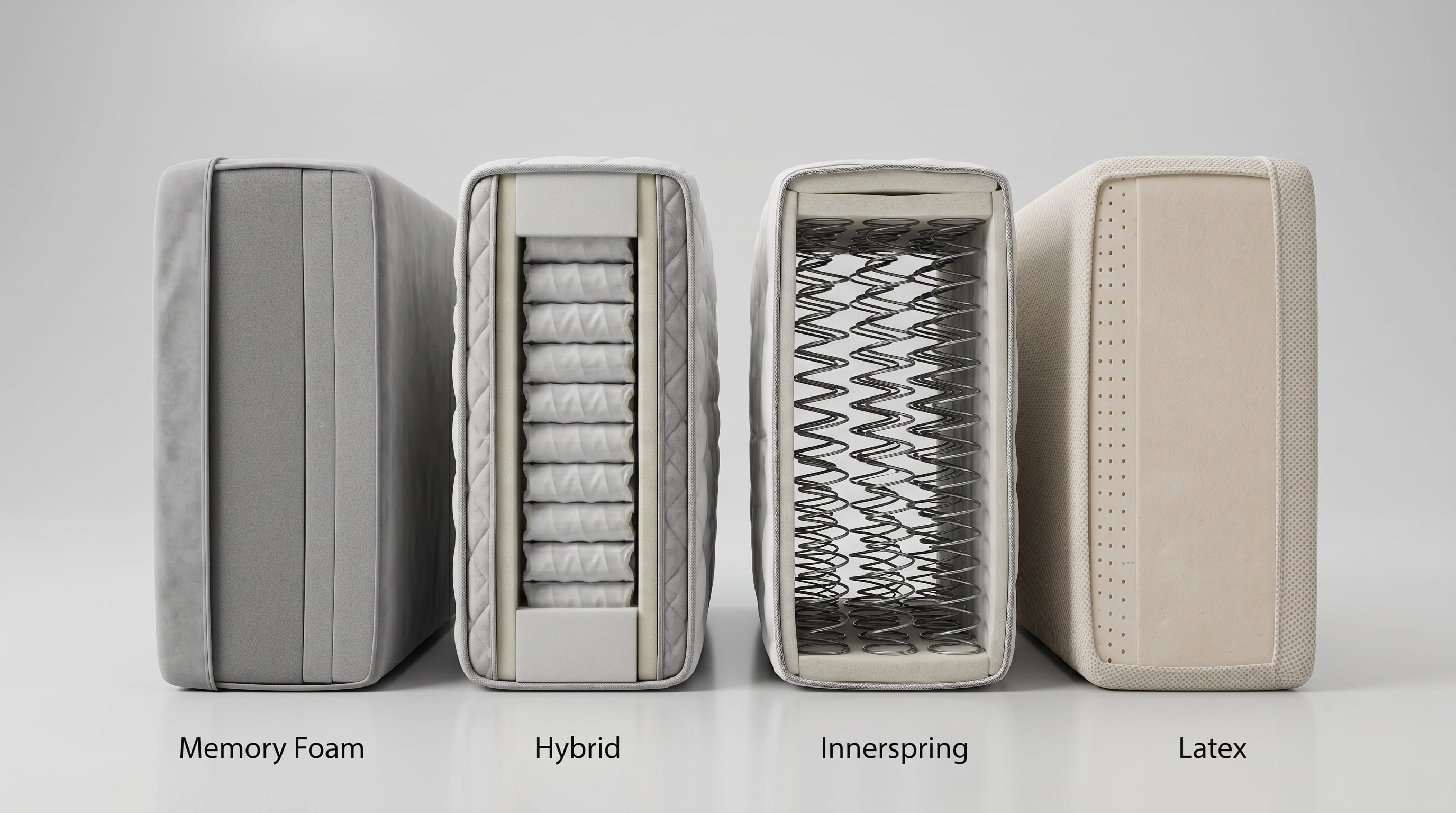
Memory foam is a viscoelastic polyurethane foam that contours precisely to your body shape in response to heat and pressure. It returns to its original shape slowly when pressure is removed — the classic "sinking in" feeling.
Strengths: Exceptional pressure relief, superior motion isolation, no noise, works well for back and side sleepers.
Weaknesses: Retains body heat, slow response time for combination sleepers, no edge support.
Best for: Solo sleepers, back and side sleepers, light sleepers sensitive to partner movement, cold climates.
In our lineup: Zinus Green Tea Mattress ($229), Nectar Classic Mattress ($899)
Hybrid
A hybrid mattress combines an innerspring coil support system with foam comfort layers on top. The coils provide bounce, airflow, and edge support. The foam layers provide pressure relief and motion dampening.
Strengths: Better temperature regulation than all-foam, stronger edge support, faster response, suits more sleep positions.
Weaknesses: More expensive than comparable all-foam options, heavier.
Best for: Hot sleepers, couples, combination sleepers, anyone who found all-foam "too sinking."
In our lineup: DreamCloud Classic ($535), Sweetnight CoolNest ($444), Vibe Quilted Hybrid ($334), Purple Original ($1,449)
Innerspring
Traditional innerspring mattresses use a connected steel coil support system with minimal foam layering. They are bouncy, cool, and responsive but provide less pressure relief than foam or hybrid options.
Strengths: Excellent airflow, very responsive, durable coil systems, low price.
Weaknesses: Poor motion isolation, minimal pressure relief at contact points, squeaky over time.
Best for: Strict stomach sleepers, hot sleepers on a budget, those who prefer a traditional bouncy feel.
Latex
Latex mattresses use natural or synthetic rubber foam. Natural latex is derived from rubber tree sap and is highly durable, naturally cooling, and hypoallergenic.
Strengths: Extremely durable (15+ years), naturally cooling, hypoallergenic, responsive yet contouring.
Weaknesses: Expensive, very heavy, limited availability at budget price points.
Best for: Eco-conscious buyers, allergy sufferers, hot sleepers who want foam feel without heat retention.
Step 3 — Choose the Right Firmness
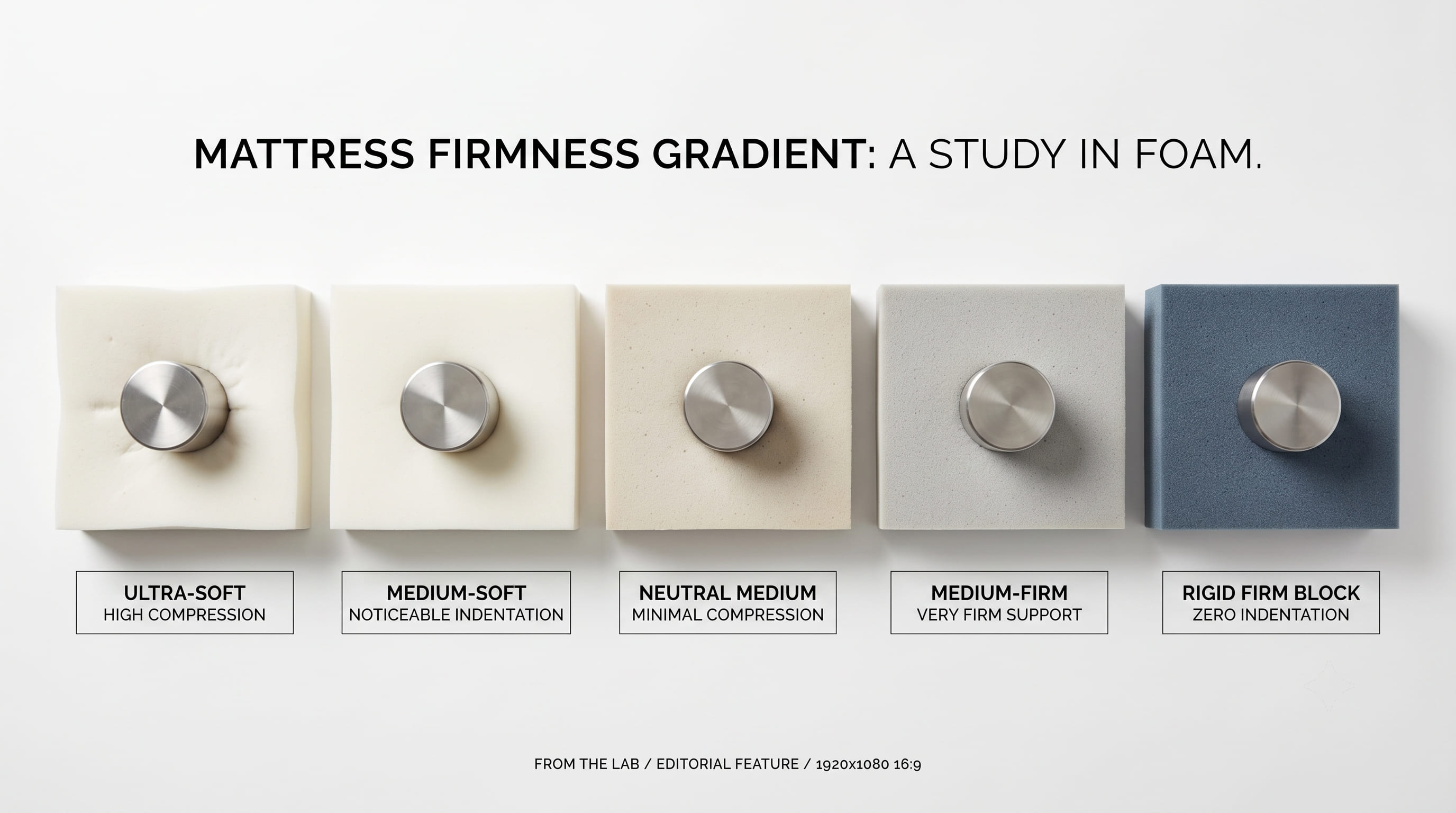
Firmness is measured on a 1–10 scale where 1 is the softest and 10 is the firmest. Most mattresses sold sit between 3 and 8.
| Firmness Level | Scale | Best For |
|---|---|---|
| Soft | 1–3 | Side sleepers under 130 lbs |
| Medium-Soft | 3–4 | Side sleepers 130–160 lbs |
| Medium | 4–6 | Side sleepers 160+ lbs, back sleepers under 160 lbs, couples with different preferences |
| Medium-Firm | 6–7 | Back sleepers 160+ lbs, stomach sleepers under 180 lbs, combination sleepers |
| Firm | 7–9 | Stomach sleepers over 180 lbs, back sleepers who prefer minimal contouring |
Body weight matters. A 130 lb side sleeper and a 220 lb side sleeper will experience the same medium mattress completely differently. Heavier sleepers compress foam further, making a medium feel soft. Lighter sleepers barely compress firm foam, making it feel harder. Always factor your weight when reading firmness ratings.
Step 4 — Temperature and Cooling
If you regularly wake up sweating, overheat during the night, or sleep in a warm room, temperature regulation should be a top priority — not an afterthought.
Why Mattresses Cause Overheating
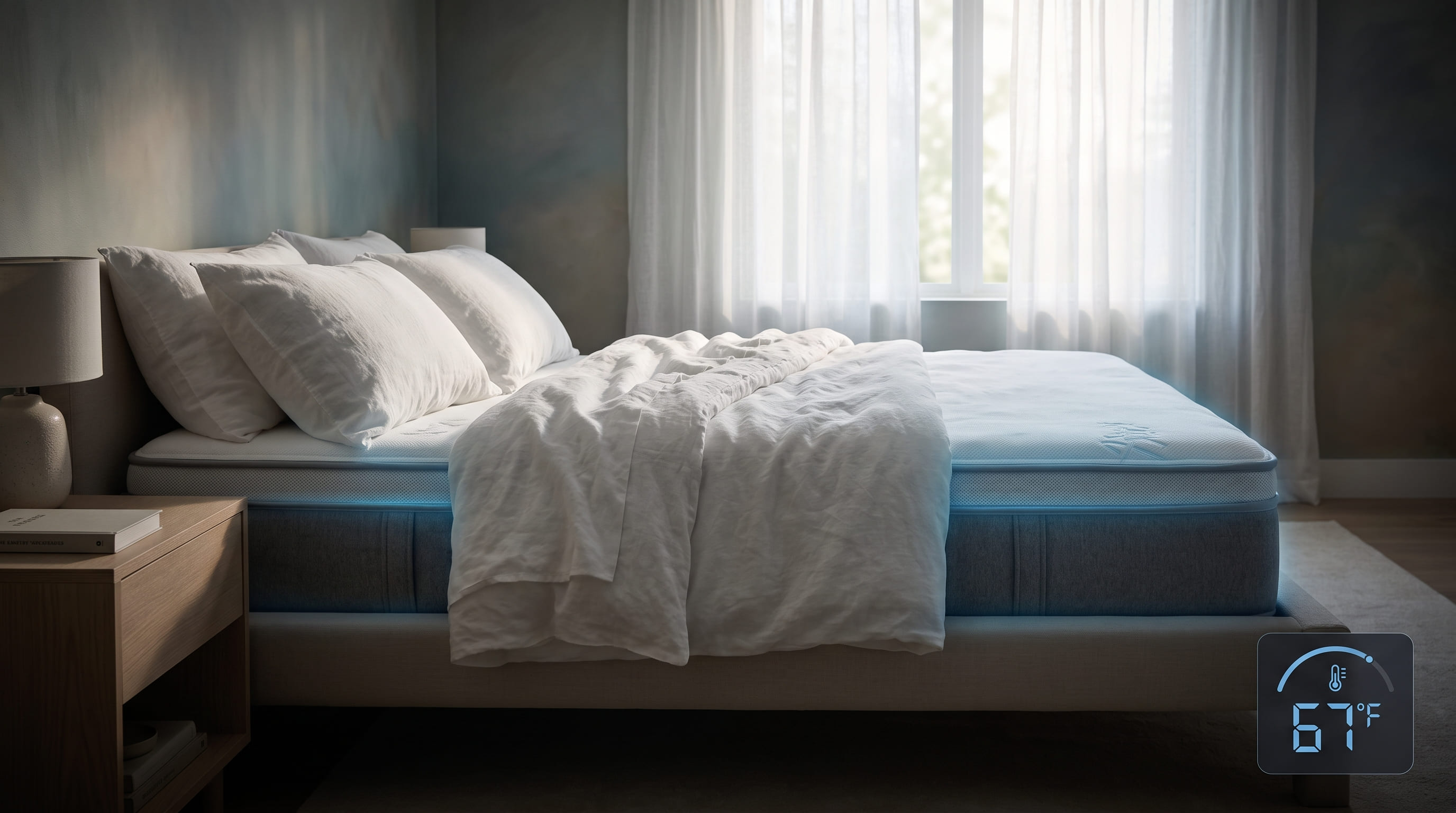
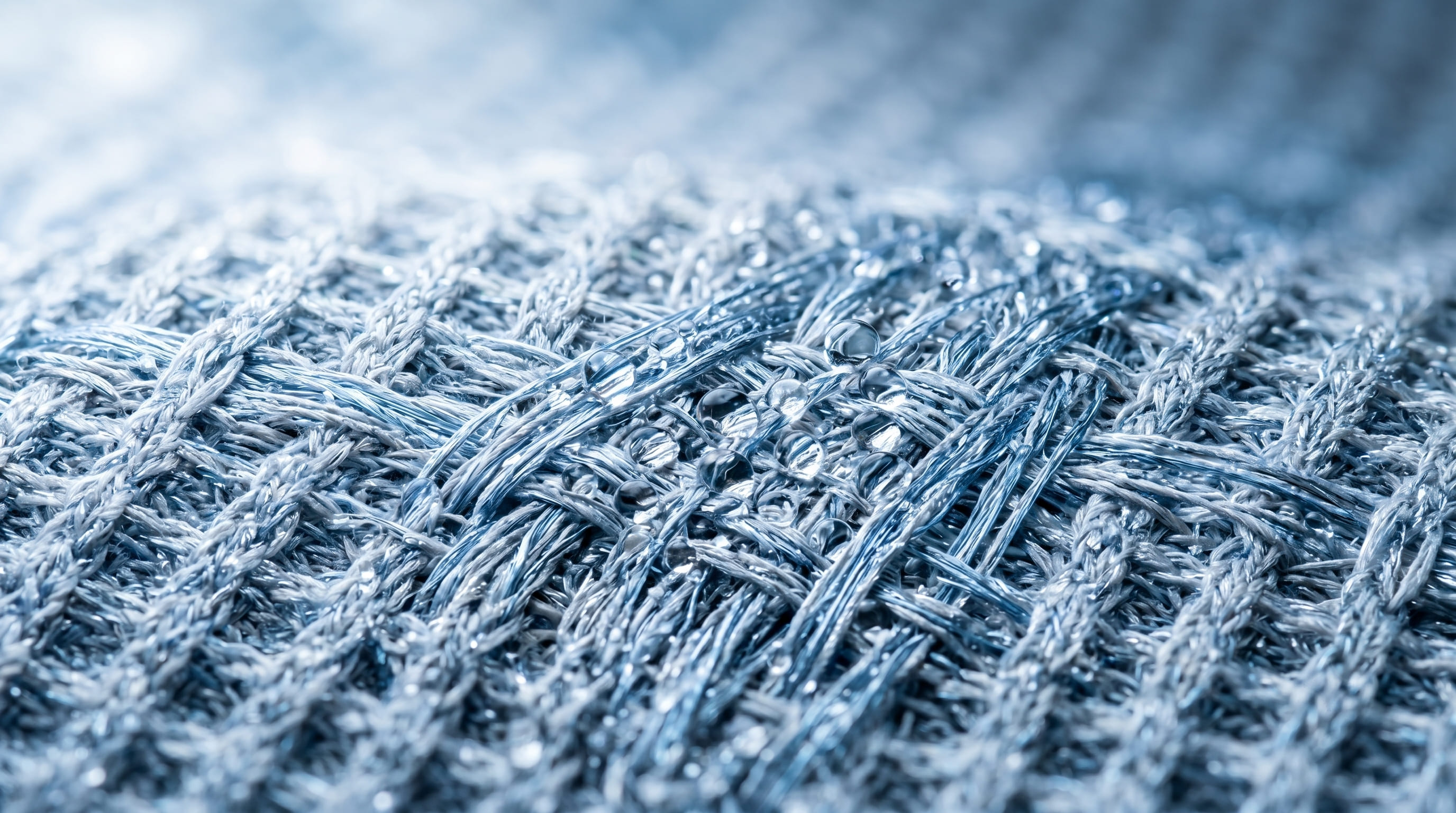
Body heat accumulates in the materials around you during sleep. All-foam mattresses are the worst offenders: the viscoelastic foam that contours to your body also traps heat against your skin. Innerspring and hybrid mattresses allow air to circulate through the coil zone, dramatically reducing heat buildup.
Cooling Technologies Ranked
| Technology | How It Works | Effectiveness |
|---|---|---|
| Phase-Change Material (PCM) | Absorbs body heat at a threshold temp, releases it slowly | Excellent |
| Gel Memory Foam | Gel beads draw heat from the foam surface | Good |
| Hybrid Airflow | Coil system circulates air through the mattress core | Good |
| Open-Cell Foam | Larger foam pores allow more airflow than standard foam | Fair |
| Standard Memory Foam | No cooling mechanism | Poor |
Our temperature test results across reviewed mattresses (lower = cooler):
| Mattress | Avg. Surface Temp | Type |
|---|---|---|
| Sweetnight CoolNest | 70.6°F | PCM Hybrid |
| Purple Original | 70.2°F | GelFlex Hybrid |
| DreamCloud Classic | 71.6°F | Gel Hybrid |
| Vibe Quilted Hybrid | 72.6°F | Gel Hybrid |
| Zinus Green Tea | 74.8°F | Memory Foam |
If you sleep hot, choose a hybrid. The Sweetnight CoolNest at $444 is the best-cooling mattress under $500 we have tested, thanks to its phase-change material cover.
Step 5 — Budget Tiers: What You Actually Get
The mattress market runs from $150 to $5,000+. Here is an honest breakdown of what each price tier delivers based on our testing.

Under $250 — Entry-Level Foam
What you get: All-foam construction, CertiPUR-US certification at reputable brands, adequate pressure relief for back and stomach sleepers, minimal edge support, shorter trial periods.
What you sacrifice: Hybrid airflow, edge support, long trial periods, motion isolation excellence.
Best pick: Zinus Green Tea 12 Inch — $229, CertiPUR-US certified, green tea infusion reduces off-gassing, best-in-class value for solo back sleepers.
$250–$400 — Entry Hybrid
What you get: True hybrid construction (coils + gel foam), quilted comfort layer, measurably better temperature regulation than foam, solid edge support, real coil support base.
What you sacrifice: Long trial periods (typically 30 nights), pocketed coils, lifetime warranty.
Best pick: Vibe Quilted Hybrid 12 Inch — $334, quilted pillow top, gel memory foam, 8-inch coil base. The best hybrid construction under $400.
$400–$550 — Mid-Range Hybrid
What you get: Phase-change or advanced gel cooling, individually pocketed coils for better motion isolation, 14-inch profiles, 100–365-night trials, 10-year warranties.
What you sacrifice: Lifetime warranties and cashmere covers found at $700+.
Best picks:
- Sweetnight CoolNest 14 Inch — $444, phase-change cooling cover, 7-inch pocketed coil system, 100-night trial
- DreamCloud Classic 12 Inch — $535, Euro cashmere pillow top, 365-night trial, lifetime warranty
$600–$800 — Premium Foam
What you get: Lifetime warranties, 365-night trials, premium CertiPUR-US certified foam, advanced comfort layers, trusted brand reputation.
Best pick: Nectar Classic 12 Inch — $899 (king), lifetime warranty, 365-night trial, genuine pressure relief for side sleepers.
$1,000+ — Premium Hybrid and Specialty
What you get: Proprietary comfort technologies, premium cover materials, best-in-class performance in specific categories.
Best pick: Purple Original 9.25 Inch — $1,449, GelFlex Grid technology delivers the industry's best pressure relief and temperature regulation combination.
Step 6 — Trial Periods and Warranties

Sleep Trial Periods
A sleep trial is the window during which you can return the mattress for a full refund. It exists because you cannot truly evaluate a mattress in a showroom — you need weeks of actual sleep to know if it is right for you.
Key things to check:
- Minimum nights required before you can initiate a return — most brands require 30 nights to allow the break-in period
- Who arranges the return — premium brands collect it for free; some budget brands require you to donate it
- Full refund or store credit only — always confirm it is a cash refund
| Mattress | Trial Period | Return Policy |
|---|---|---|
| DreamCloud Classic | 365 nights | Free collection, full refund |
| Nectar Classic | 365 nights | Free collection, full refund |
| Sweetnight CoolNest | 100 nights | Free collection, full refund |
| Purple Original | 100 nights | Free collection, full refund |
| Vibe Quilted Hybrid | 30 nights | Donation-based return |
| Zinus Green Tea | 30 nights | Donation-based return |
Our recommendation: If you are uncertain about your choice, prioritise a long trial period. The DreamCloud Classic at $535 with a 365-night trial is the safest buy in the mid-range.
Warranties
A mattress warranty covers manufacturing defects and excessive sagging. Key terms to understand:
- What counts as a defect: Most warranties cover visible indentations deeper than 1–1.5 inches in the foam. Comfort preference changes are never covered.
- Prorated vs non-prorated: A non-prorated warranty covers the full replacement cost throughout the warranty term. A prorated warranty reduces coverage over time — you pay a percentage of replacement costs after a certain year.
- Lifetime warranty: Covers the original purchaser for life. Currently offered by DreamCloud and Nectar in our lineup.
Step 7 — Couples: Additional Considerations
Sharing a mattress introduces two requirements that solo sleepers do not face: motion isolation and edge support.
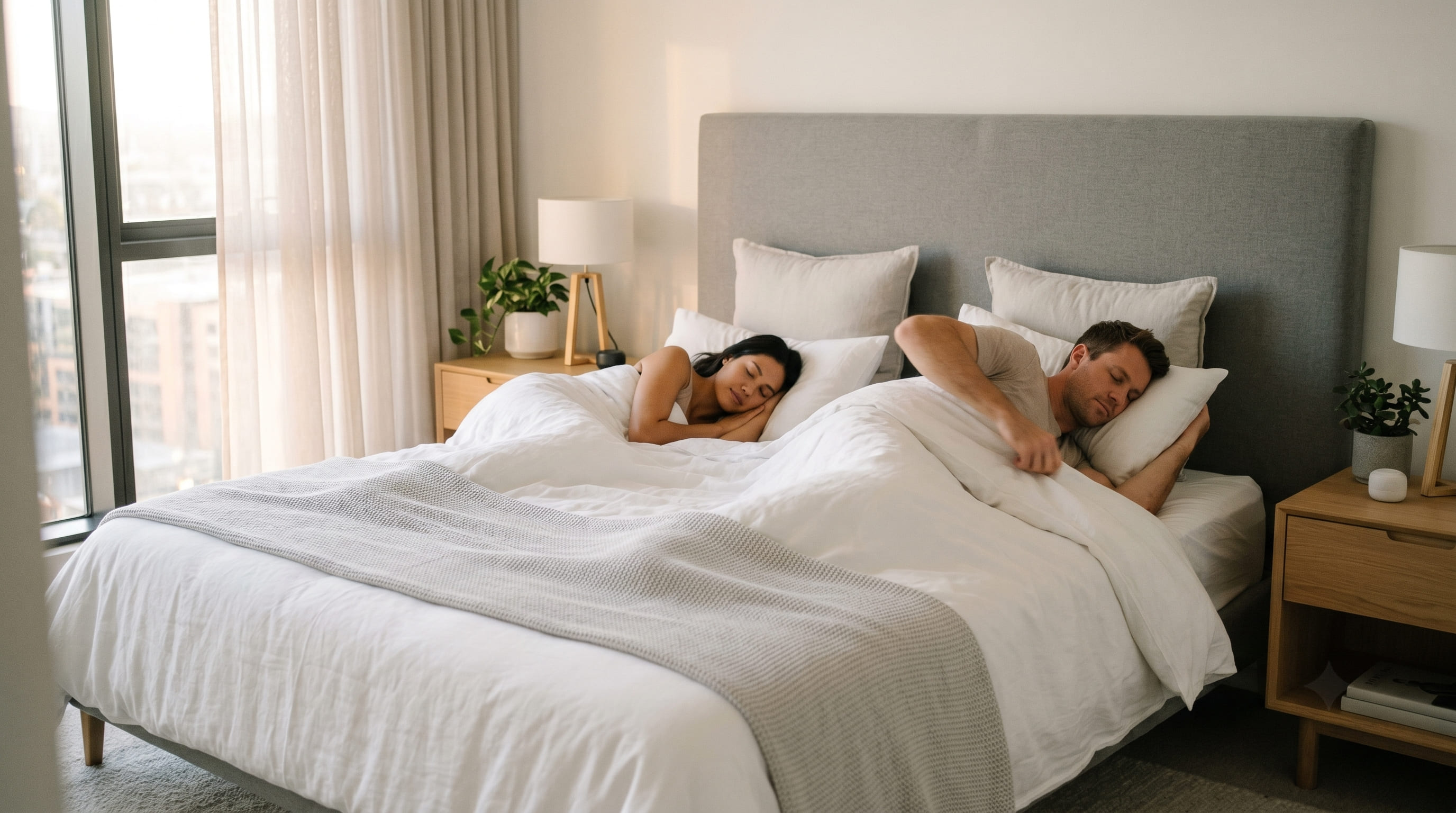
Motion Isolation
If your partner moves during the night — getting up early, rolling over, or getting in and out of bed — you feel it if the mattress transmits vibration. Memory foam is naturally the best material for motion isolation. Individually pocketed coil hybrids are nearly as good. Connected innerspring coils are the worst.
Best for couples (motion isolation): Nectar Classic, Sweetnight CoolNest, DreamCloud Classic
Edge Support
Strong edge support means you can sleep at the perimeter of the mattress without feeling like you will roll off. It also means the full advertised surface area is usable. All-foam mattresses compress significantly at the edges. Hybrid coil systems — especially perimeter-reinforced designs — hold firm.
Best edge support: DreamCloud Classic, Sweetnight CoolNest, Vibe Quilted Hybrid
Firmness Compromise
When two people with different firmness preferences share a mattress, the standard solution is choosing a medium firmness as a compromise. Most couples in our testing found medium (5–6) works when paired with the right comfort layer thickness.
Step 8 — Certifications to Look For
CertiPUR-US
The most important foam certification for health-conscious buyers. CertiPUR-US certified foams are independently tested and confirmed free from ozone depleters, PBDEs, mercury, lead, formaldehyde, and phthalates, with low VOC emissions.
In our lineup: Zinus Green Tea, Nectar Classic, DreamCloud Classic, Vibe Quilted Hybrid
OEKO-TEX Standard 100
Tests finished textile products — covers, fabrics — for harmful substances. Relevant for the cover material that contacts your skin directly.
GREENGUARD Gold
Certifies low chemical emissions for indoor air quality. Important for nurseries and children's bedrooms.
Common Mistakes to Avoid
Choosing firmness based on the label alone. "Medium" means different things to different brands. Always read the actual foam specifications and check independent reviews with pressure mapping data.
Ignoring the break-in period. A new mattress — particularly memory foam — can feel firmer than its final feel for 2–4 weeks as the foam settles. Do not return a mattress in the first two weeks based on firmness alone.
Buying without a trial period. If a mattress does not offer at least a 30-night sleep trial, walk away. No showroom test adequately simulates real sleep.
Prioritising height over construction. A 14-inch mattress is not inherently better than a 10-inch one. What matters is the quality and composition of the layers — not total height.
Choosing a mattress based on one sleeper when two will use it. Always consider both partners' sleep positions, body weights, and temperature preferences before committing.
The 5-Question Mattress Selector
Answer these five questions to identify your ideal mattress:
- What is your primary sleep position? Side → softer. Back/stomach → medium-firm to firm.
- Do you sleep hot? Yes → hybrid with PCM or gel cooling. No → foam is fine.
- Do you share the bed? Yes → prioritise motion isolation and edge support.
- What is your budget ceiling? Under $250 → Zinus. $250–$400 → Vibe. $400–$550 → Sweetnight or DreamCloud. $600–$800 → Nectar. $1,000+ → Purple.
- How risk-averse are you? Very → choose a 365-night trial (DreamCloud or Nectar). Comfortable with shorter → any of our reviewed options.
Frequently Asked Questions
How firm should my mattress be?
It depends on your sleep position and body weight. Side sleepers generally need soft to medium (3–5), back sleepers need medium to medium-firm (5–7), and stomach sleepers need medium-firm to firm (6–8). Heavier sleepers should add 1–2 points to these ranges as their weight compresses the foam further.
How long does a mattress last?
A quality mattress should last 7–10 years. Memory foam typically lasts 8–10 years. Hybrid mattresses with tempered coil systems can last 10–12 years. Signs it is time to replace: visible sagging or indentations deeper than 1 inch, waking with back or shoulder pain that improves when you sleep elsewhere, or a mattress older than 10 years.
Is a more expensive mattress always better?
Not necessarily. Our testing found the Zinus Green Tea at $229 outperforms many $500+ foam mattresses for back-sleeper lumbar support. The Vibe Quilted Hybrid at $334 delivers hybrid construction that competes with $600 alternatives. Price reflects materials, warranty, and trial period — not just sleep quality.
What is the difference between a hybrid and a memory foam mattress?
A hybrid combines an innerspring coil support system with foam comfort layers. Memory foam mattresses use only foam layers. Hybrids sleep cooler (airflow through the coil system), provide stronger edge support, and respond faster to position changes. Memory foam provides better motion isolation and is typically less expensive.
Should I buy a mattress on Amazon?
Yes — with conditions. Look for brands that offer at minimum a 30-night sleep trial, a 10-year warranty, and CertiPUR-US certified foam. The Zinus Green Tea, Vibe Quilted Hybrid, and Sweetnight CoolNest are all available on Amazon and meet these standards. Avoid unbranded, no-trial, no-certification foam mattresses regardless of price.
How do I know if a mattress is good for back pain?
Look for independent pressure mapping data — not marketing claims. A mattress that maintains lumbar support without creating a gap at the lower back is ideal for back pain. Medium-firm hybrids and medium-firm memory foam mattresses with quality high-density support layers consistently outperform soft mattresses for back pain relief. See our Best Mattress for Back Pain guide for full recommendations.
Ready to shop? Browse our expert mattress reviews to find your perfect match.