
Best mattresses of 2026
Ranked for most sleepers by our editors · editorial rating out of 5
 14.4Best Overall for Most SleepersDreamCloud Classic MattressThe DreamCloud Classic is a 12-inch, five-layer hybrid: a quilted Euro pillow-top and gel memory foam over 5 inches of pocketed coils with a higher-gauge perimeter.
 24.2Best Memory Foam for Pressure ReliefNectar Classic MattressThe Nectar Classic is a 12-inch all-foam bed with 3 inches of gel memory foam on top, rated medium-firm.
 34.3Best for Hot SleepersPurple Original MattressIf gel foam after gel foam has left you sweaty, the Purple Original works differently.




Every verdict is signed by a specialist.
Our reviewers research each product, put their name to the rating and date every update, so you always know who wrote it and when.
Read our editorial standards- Dr. Sarah MitchellSleep Science LeadPh.D. Sleep Medicine — Stanford University
- James WhitfieldSenior Mattress ReviewerDPT — Licensed Physical Therapist
- Paul ClarkPillow & Accessories EditorCertified Sleep Science Coach — NASM
- Marcus ChenBudget & Value Mattress ReviewerRegistered Polysomnographic Technologist — RPSGT
Instant match
How do you sleep? We'll show you the winners.
Tap your sleep position or problem to see the three mattresses our editors rank highest for it.
Top picks for side sleepers
Soft-to-medium surfaces that cushion shoulders and hips.
Ranked for this need by our editors; the ring is each bed’s overall editorial rating.
- Our #1 pickMemory Foam4.2Best Overall for Side Sleepers
Nectar Classic Mattress
The Nectar is a 12-inch all-foam bed with 3 inches of gel memory foam over transition and base layers.
Read review - Pick #2Hybrid4.3
 Best Zoned Hybrid for Side Sleepers
Helix Midnight Luxe Mattress
The Midnight Luxe puts a plush pillow-top and memory foam over 7 inches of pocketed coils in five zones, softer under the shoulders and firmer under the lower back.
Read review - Pick #3Foam4.3Best for Hot Side Sleepers
Purple Original Mattress
Purple's 2-inch GelFlex Grid is designed to buckle under the shoulder and hip and stay upright elsewhere, and its open columns let air move in a way solid foam doesn't.
Read review
Top picks for back sleepers
Medium-firm support that keeps the lower back level.
Ranked for this need by our editors; the ring is each bed’s overall editorial rating.
- Our #1 pickHybrid4.4Best Overall for Back Sleepers
DreamCloud Classic Mattress
The DreamCloud's quilted pillow-top and gel memory foam sit over 5 inches of pocketed coils with a higher-gauge perimeter.
Read review - Pick #2Hybrid4.2
 Best Zoned Pick for Back Sleepers
Glacier Original Hybrid Mattress
The Glacier uses 7.5 inches of zoned coils, denser under the lumbar area, beneath a 3-inch open-cell foam layer.
Read review - Pick #3Hybrid4.3
 Best for Heavier Back Sleepers
Brooklyn Bedding Titan Hybrid Luxe
Heavier back sleepers compress comfort layers further, so a medium-firm bed built for average weights can let the pelvis sink.
Read review
Top picks for stomach sleepers
Firmer beds that stop the hips sinking.
Ranked for this need by our editors; the ring is each bed’s overall editorial rating.
- Our #1 pickHybrid4.0
 Best for Strict and Heavier Stomach Sleepers
Brooklyn Bedding Plank Firm Luxe Twin XL
The Plank Firm Luxe is a 13-inch flippable hybrid with a Firm side and a Firmer side (per Brooklyn Bedding).
Read review - Pick #2Hybrid4.1
 Best Mid-Range Hybrid for Stomach Sleepers
Leesa Original Hybrid 11" Mattress
The Leesa Original Hybrid is an 11-inch hybrid with 7 inches of pocketed coils, rated medium-firm by Leesa.
Read review - Pick #3Foam4.3Best for Stomach-and-Combination Sleepers
Purple Original Mattress
Many stomach sleepers spend part of the night on their side or back.
Read review
Top picks for back pain
Zoned support and pressure relief for sore backs.
Ranked for this need by our editors; the ring is each bed’s overall editorial rating.
- Our #1 pickHybrid4.4Best Overall for Back Pain
DreamCloud Classic Mattress
The DreamCloud combines a quilted pillow-top and gel memory foam with 5 inches of pocketed coils and a firmer perimeter.
Read review - Pick #2Hybrid4.2Best Zoned Pick for Lower-Back Support
Glacier Original Hybrid Mattress
If your pain sits squarely in the lower back and you sleep mostly on your back, zoning is worth paying for.
Read review - Pick #3Memory Foam4.2Best Memory Foam for Back Pain
Nectar Classic Mattress
If you prefer the slow hug of memory foam, the Nectar has 3 inches of gel memory foam over transition and base foam, rated medium-firm by Nectar.
Read review
Top picks for hot sleepers
Breathable builds designed to sleep cooler.
Ranked for this need by our editors; the ring is each bed’s overall editorial rating.
- Our #1 pickFoam4.3Best for Severe Hot Sleepers
Purple Original Mattress
The Purple Original uses a 2-inch GelFlex Grid, a hyper-elastic polymer lattice with open columns that air can move through.
Read review - Pick #2Hybrid4.3
 Best Cooling Coil Hybrid
Leesa Sapira Chill Hybrid 14" Queen
The Leesa Sapira Chill Hybrid is Leesa's cooling-focused 14-inch hybrid: a phase-change cover and 2 inches of memory foam over a deep 8-inch pocketed coil base.
Read review - Pick #3Hybrid4.4
 Best Plush Cooling Hybrid
Brooklyn Bedding Aurora Luxe Short Queen
Plush beds usually sleep warmer because you sink further in.
Read review
Top picks for couples
Low motion transfer and strong edges.
Ranked for this need by our editors; the ring is each bed’s overall editorial rating.
- Our #1 pickMemory Foam4.2Best for a Restless Partner
Nectar Classic Mattress
If your partner's tossing or early alarm wakes you, an all-foam bed is the safest bet, because dense memory foam absorbs movement instead of springing it across the bed.
Read review - Pick #2Hybrid4.4Best All-Round for Couples
DreamCloud Classic Mattress
The DreamCloud Classic balances the main couples problems.
Read review - Pick #3Hybrid4.3
 Best Pillow-Top for Couples
Beautyrest Days End Pillow-Top Mattress
The Beautyrest Days End is a 14.75-inch pillow-top hybrid: a 2-inch sewn-on pillow-top and 1.5 inches of gel memory foam over 8-inch Beautyrest pocketed coils.
Read review
Best mattresses under $500
Expert picks that punch above their price.
Ranked for this need by our editors; the ring is each bed’s overall editorial rating.
- Our #1 pickMemory Foam4.1
 Best Overall Queen Under $500
MLILY EgoHome 14" Zoned Foam Mattress
The MLILY EgoHome is the most fully specified foam queen under $500 we've reviewed: a 3-inch cooling gel memory foam layer over an 8-inch zoned base that's firmer under the hips and softer at the shoulders.
Read review - Pick #2Hybrid4.0
 Best Budget Hybrid Queen
Vibe Quilted Hybrid Mattress
The Vibe Quilted Hybrid gives you genuine hybrid construction at a foam price: an 8-inch innerspring, 2 inches of gel memory foam and a quilted pillow top in a 12-inch build.
Read review - Pick #3Memory Foam4.0
 Best for Side Sleepers on a Budget
Novilla Bliss Mattress
The Novilla Bliss puts a 2.5-inch gel memory foam layer and a dedicated 2.5-inch transition layer in a 12-inch, brand-rated medium queen.
Read review
Buying guides
Find the best mattress for your needs
Every guide ranks only mattresses we have reviewed in full, with the reasons each one fits — and who should skip it.
 Our top picksBest overall
 Sleep positionSide sleepers
 Pain reliefBack pain
 Sleeps hotCooling
 Sharing a bedCouples
 Body typeHeavier people
 Mattress typeHybrid
 BudgetUnder $500
By sleep position
By pain & health
By mattress type
New to mattress shopping?
Learn the basics before you buy
Firmness, sizing and timing decide most of the outcome. Ten minutes here saves a return later.
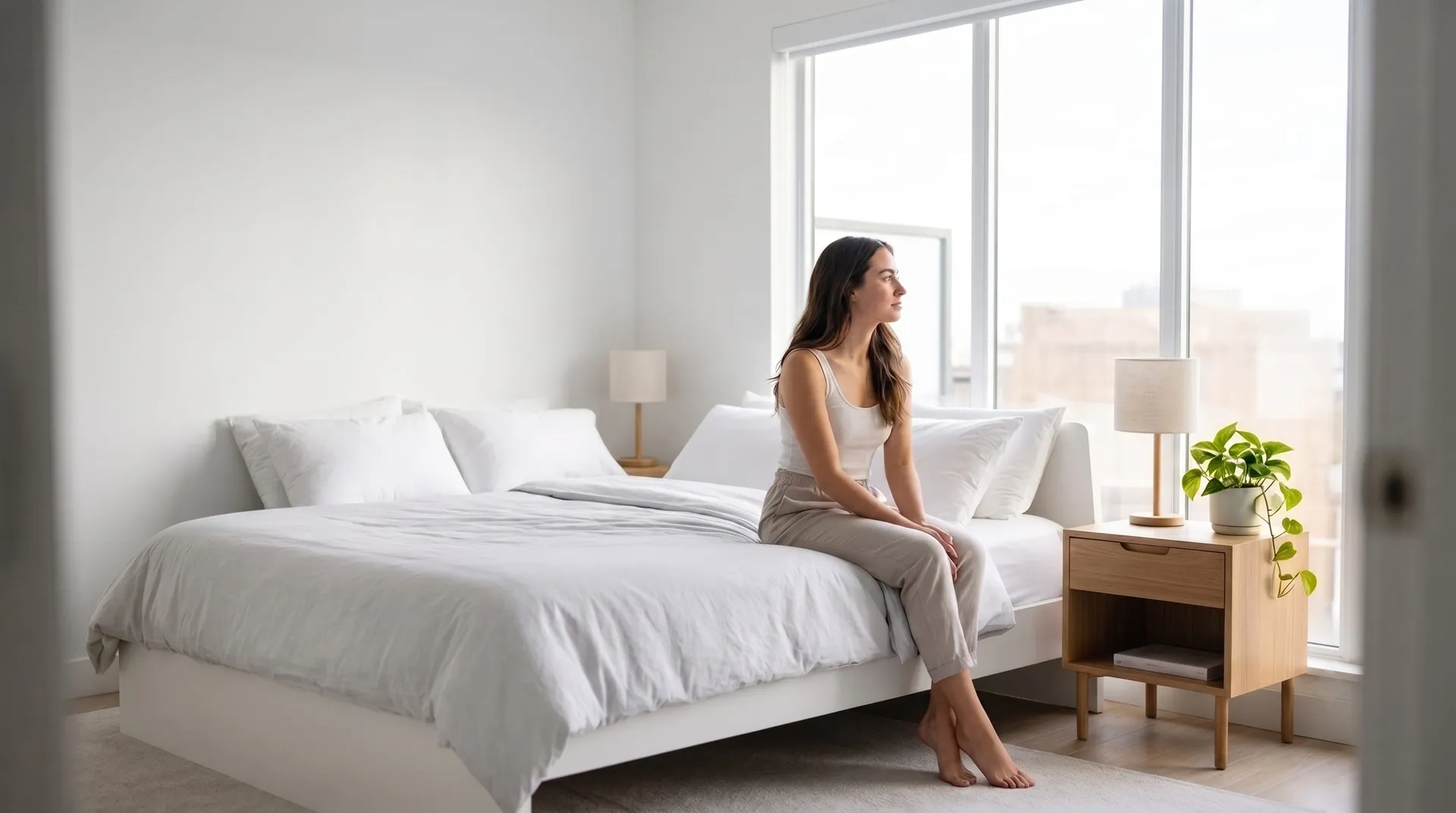
How to Choose a Mattress: 6-Step Guide
Six steps to the right mattress: position, firmness, type, cooling, budget and trial terms.
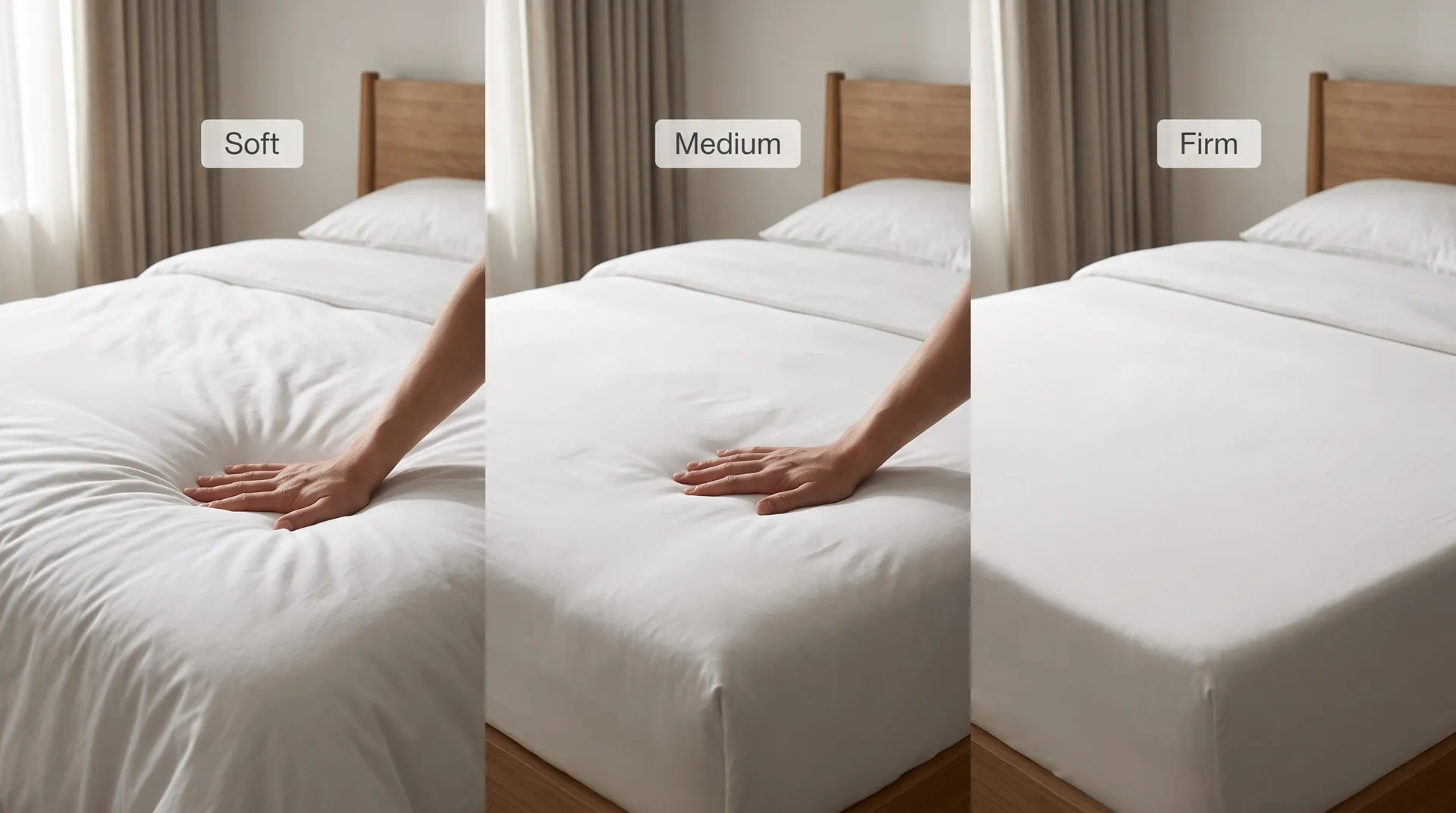
Mattress Firmness Guide: Scale, Position and Weight
Find your ideal firmness by sleep position and body weight, then use your sleep trial to confirm it.
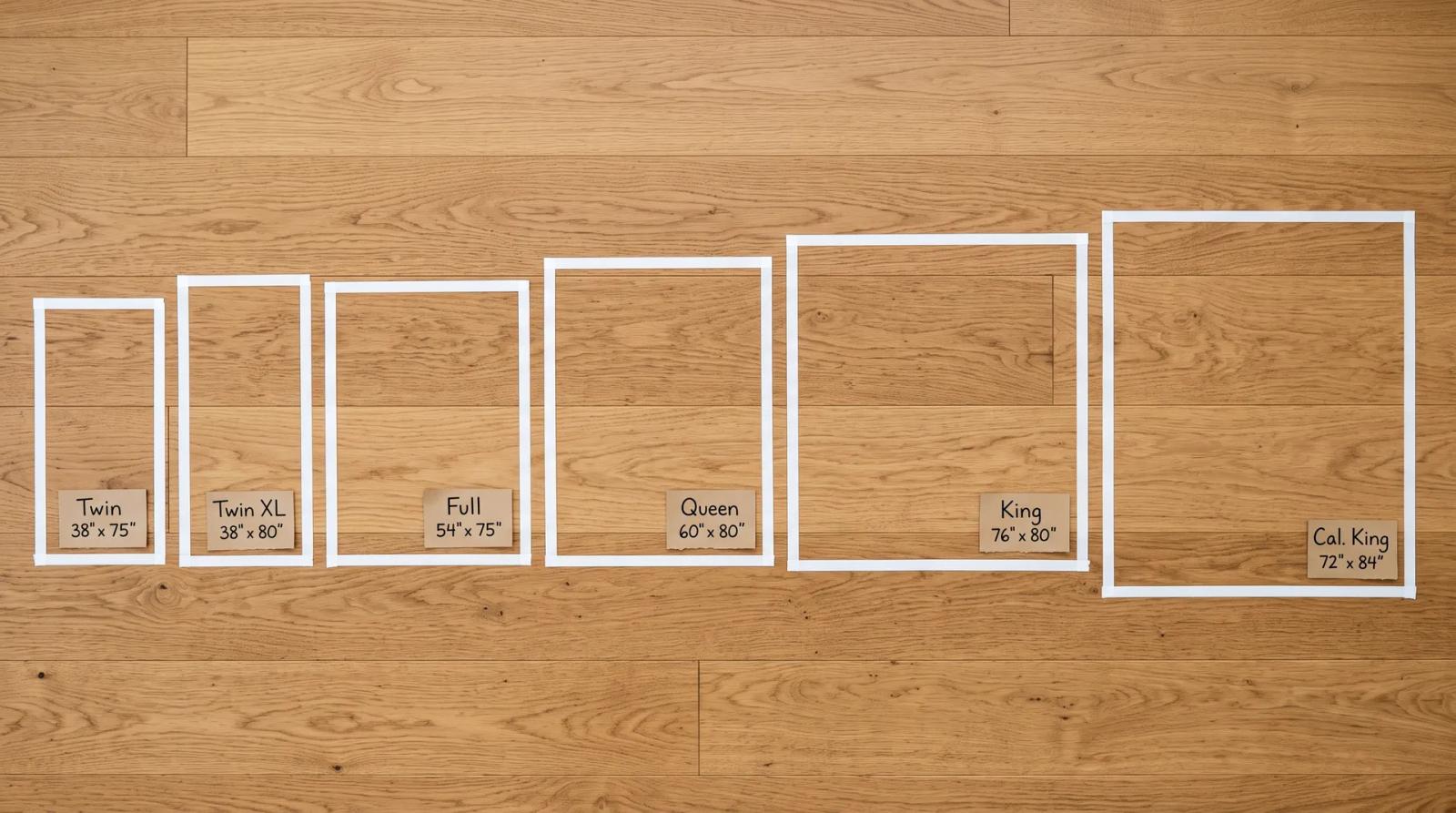
Mattress Size Chart: Dimensions in Inches and cm
Standard dimensions for every mattress size, the room each one needs, and how to pick the right fit.
Black Friday Mattress Deals 2026: Spot a Real Sale
How to tell a genuine mattress discount from a reshuffled list price, plus the reviewed beds worth watching at every budget.
Our methodology
How We Rate Mattresses
Every mattress is rated against the same criteria, whatever the brand or price: construction, materials, certifications, fit, value and policies. We don't accept payment for placement, and every review names the person who wrote it.
Pressure relief
Comfort-layer materials and thickness for each sleep position
Spinal alignment
Support-core design for side, back and stomach sleepers
Motion isolation
Coil and foam design that limits partner movement
Temperature
Breathable materials and cooling design
What every rating weighs
Same criteria for every productOur experts weigh each product against these research criteria to assign one editorial rating out of 5. It is a judgment, not a measurement.
- Pressure Relief
Assessed from comfort-layer materials, thickness and brand-stated firmness, using established principles for shoulder and hip relief.
- Spinal Alignment
Judged from support-core design (coil type, zoning, foam density where published) against sleep-position and body-weight principles.
- Motion Isolation
Inferred from construction: pocketed vs. connected coils and the depth of foam above the support core.
- Temperature Regulation
Based on materials and design: coil airflow, gel or phase-change claims, latex, and breathable covers as described by the brand.
- Edge Support
Based on perimeter construction such as reinforced edge coils or high-density foam rails, as specified by the brand.
- Ease of Setup
Delivery options, boxed vs. white-glove setup, and brand guidance on expansion and off-gassing.
- Value for Money
Price relative to materials, construction, competitive alternatives, and warranty/trial terms.
- Long-term Satisfaction
Warranty length and terms, trial and return policies, and the durability expectations of the materials used.
63 products rated so far. Reviews last updated .
Frequently Asked Questions
Straight answers to the questions mattress shoppers ask most.
How do I choose the best mattress for me?
Start with how you sleep, then your body weight and budget. Side sleepers usually need a softer surface for the shoulders and hips, back sleepers a medium-firm one, and stomach sleepers a firm one that keeps the hips level.
Heavier people should look for thicker comfort layers and a strong coil base. Then compare trial length, warranty and cooling if you sleep hot.
How to choose a mattressWhat mattress firmness is best?
There is no single best firmness. On a 1–10 scale, most side sleepers are comfortable at 3–5, back sleepers at 5–7 and stomach sleepers at 6–8.
Lighter people feel a mattress as firmer than heavier people do, so move one step softer if you are under 130 lbs and one step firmer if you are over 230 lbs.
Mattress firmness guideWhat is the best type of mattress for back pain?
A medium-firm mattress that keeps your spine in a straight line is the usual starting point for lower back pain. Hybrids with zoned coils give extra support under the hips, while memory foam relieves pressure points.
If pain is severe or lasts more than a few weeks, see a doctor or physiotherapist as well.
Best mattresses for back painHybrid or memory foam: which should I buy?
Choose a hybrid if you sleep hot, want strong edge support or find it hard to move on soft foam; the coils let air flow and add bounce. Choose memory foam if you want deep pressure relief and the least motion transfer from a restless partner, and you do not mind a warmer, slower-moving feel.
Hybrid vs memory foamWhat is the best mattress for side sleepers?
Side sleepers need a soft to medium mattress that lets the shoulder and hip sink in while the waist stays supported. Look for a thick comfort layer of memory foam or latex.
Our side-sleeper guide ranks models whose construction is best suited to cushioning the shoulder and hip.
Best mattresses for side sleepersWhich mattress sleeps the coolest?
Hybrids with pocketed coils, latex mattresses and beds with gel-grid or phase-change covers sleep coolest because heat can escape. Dense all-foam mattresses hold the most heat.
Breathable bedding and a lower room temperature help too.
Best cooling mattressesHow long should a mattress last, and when should I replace it?
Most mattresses last 7–10 years; latex often lasts longer and budget foam less. Replace yours if it sags or keeps a body dip deeper than about an inch, if you wake up stiff or sore, or if you sleep better away from home.
A mattress protector and regular rotation help it last.
How long a mattress lastsIs it safe to buy a mattress online or in a box?
Yes, if you check three things before you buy: a sleep trial of at least 100 nights with free returns, a warranty of 10 years or more, and certified foams such as CertiPUR-US. Bed-in-a-box mattresses need 24–72 hours to fully expand, and any new-foam smell usually fades within a few days.
CertiPUR-US explainedDo I need a box spring for a memory foam or hybrid mattress?
No. Most modern mattresses work on a platform bed, a solid base, an adjustable base or slats no more than about 3 inches apart.
An old coil box spring can give uneven support and may void the warranty, so check the brand’s base requirements first.
Adjustable bed basesHow much should I spend on a good mattress?
A good queen mattress typically costs $500–$1,500. Under $500 you can still find well-made foam beds, while premium hybrids and organic latex models cost more for better materials, edge support and durability.
Spread the price over a 7–10 year lifespan when you compare.
Best mattresses under $500